What Is Medical Cannabis and Who Does It Actually Help - A 2026 Patient Guide
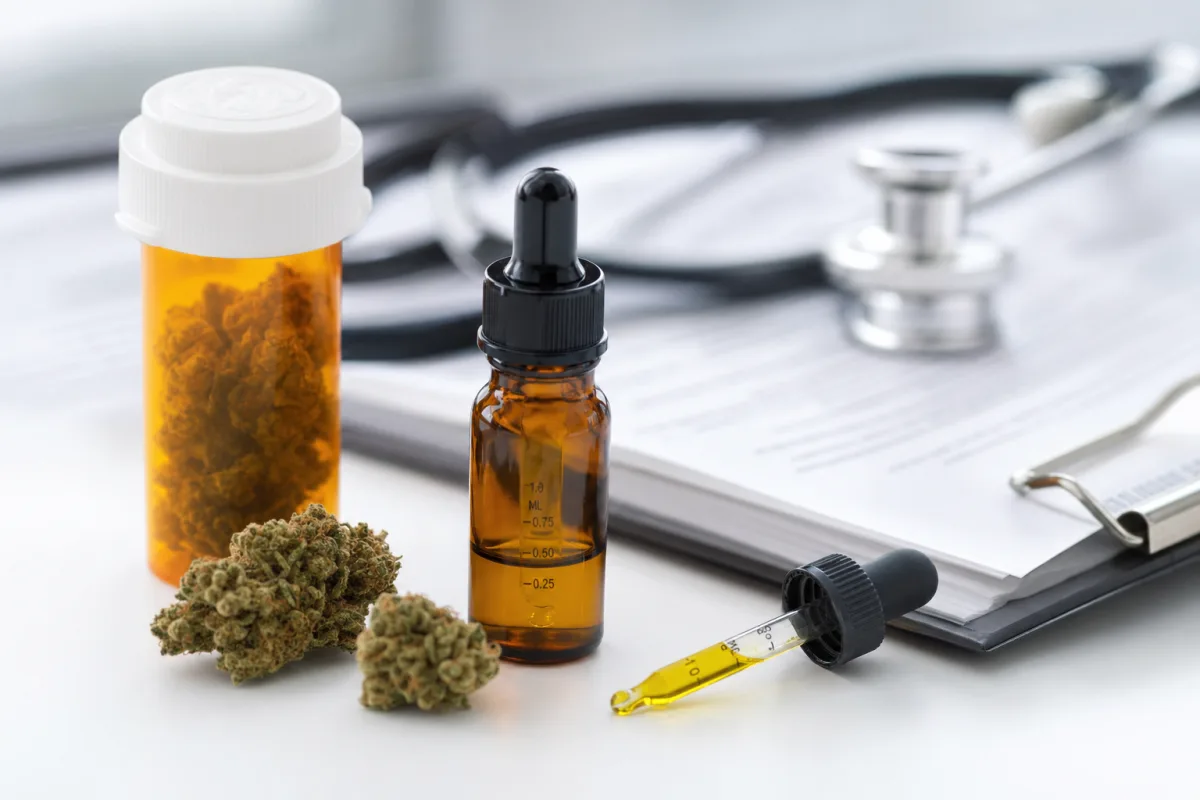
Medical cannabis is a hemp-derived medication dispensed at the pharmacy with a prescription. Not a CBD shop product, not a supplement, not a 'mood-lifting herb'. A drug. Under the same quality control as morphine or ketoprofen.
Legal in Poland since 2017. Twice as many prescriptions written each year. Below: what it actually is, how it works at the physiological level, and which conditions it helps with - and which it doesn't.
What medical cannabis is - bird's eye
Medical cannabis is a standardized preparation from hemp (Cannabis sativa L.), produced under pharmaceutical conditions. Every batch has a known composition: exact THC and CBD concentrations, terpene profile, no pesticides, no mould.
Difference from recreational cannabis:
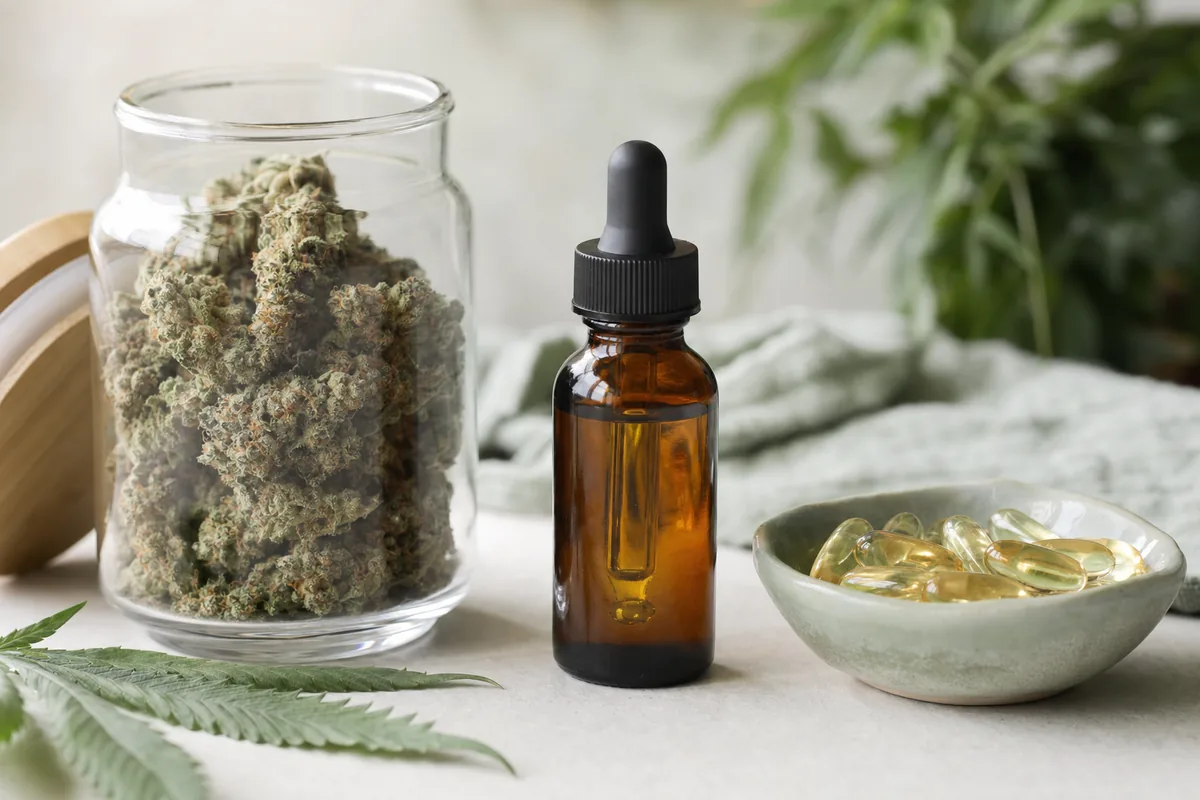
Dried flower for vaporization is the most common form. Oil for patients who value precise dosing.
How it works - the endocannabinoid system
The human body has its own endocannabinoid system. A network of receptors (CB1 and CB2) spread across the brain, nervous system, gut, and skin. It regulates pain, sleep, appetite, mood, immune response.
Plant-derived cannabinoids from hemp fit these receptors (CB1 and CB2 evolved to respond to our own endocannabinoids - anandamide, 2-AG). That's the basis of the clinical effect.
Two key cannabinoids:
The doctor picks the THC:CBD ratio for the specific symptoms. A chronic pain prescription looks different from a generalized anxiety one.
What it helps with - from the evidence and from practice
Cannabis therapy has the strongest documented efficacy for:
The doctor assesses eligibility individually. Not everyone qualifies - and you'd rather know that at the first visit than the third.
Who it won't help - honestly
Medical cannabis is not a panacea. It doesn't replace psychotherapy in depression. It doesn't treat the underlying disease (diabetes, psoriasis, bipolar), only its symptoms.
Relative contraindications:
The doctor rules out contraindications during the first conversation. If you only partially qualify, sometimes we suggest a CBD-only preparation - milder, no psychoactivity.
Safety - compared to other medications
Under medical supervision, cannabis therapy has a favourable safety profile. Better than opioids (no respiratory depression risk), better than benzodiazepines (lower physical dependence risk).
Most common side effects: dry mouth, mild drowsiness, dizziness. Usually resolve within 1-2 weeks of dose adjustment.
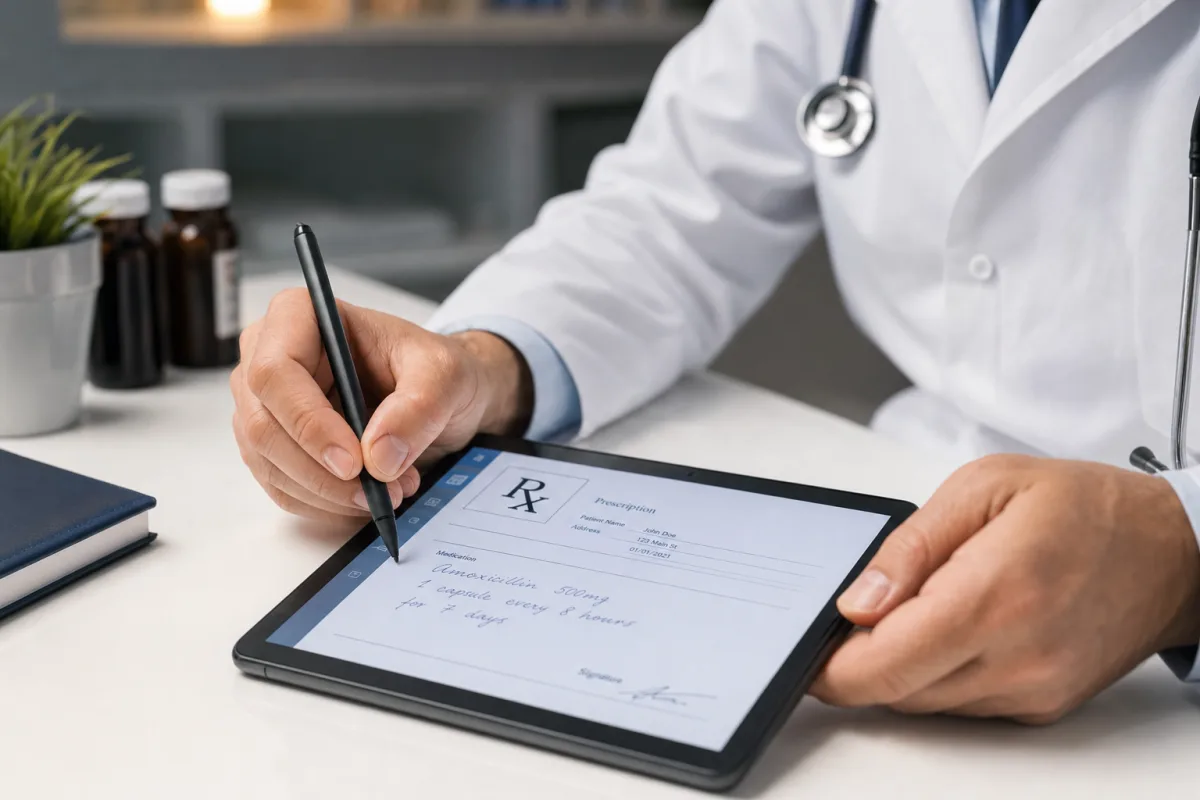
Want to know if this makes sense in your case? Book a qualifying visit - the doctor will assess indications, contraindications and (if you qualify) issue an ePrescription in 30 minutes.
Ready to start therapy?
Book online in 60 seconds - consultation at our clinic in Krakow, Bydgoszcz, Toruń or Kielce.
Book a consultation